Oh look! Three subjects that should probably never be discussed together. Two subjects that probably no one expected to see together on a blog with this title.
If you are an atheist, agnostic, or not of a religious view, give me a few minutes to explain my viewpoint. My plan is to keep religious discussions to a minimum on this blog. The nature of one of the articles I found this week, requires some religious discussion.
With the support of a couple of therapists, I have incorporated the 12 Steps and Serenity Prayer, the Prayer of St Francis, and the 5 Directives of Matthew 25 and the Beatitudes from the Bible into my self care plan and my belief system. I’m not saying it’ll work for everyone, but it works well for me. I start with “treat people as people” and “treat all people with dignity, not labels”. I do attend a church and I do art work and alter design work for that church. That said, I will not use this space to push or oppose any religious viewpoint … except for Scientology. (I mean come on guys, if you’re going to found a church based on the texts of a sci-fi author, Philip K Dick is a much better choice.)
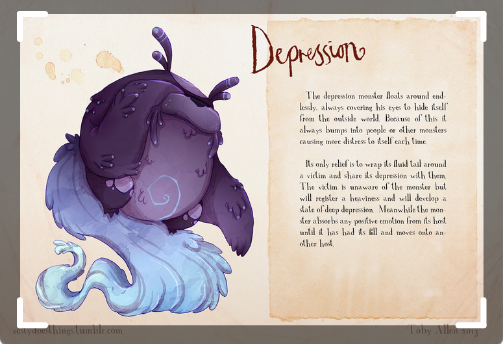
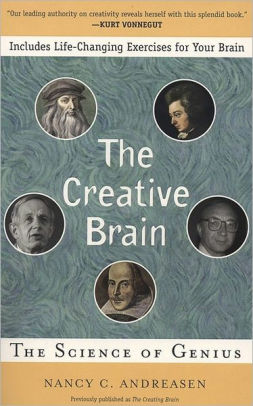
 Unlike most posts, there is a shortage of idiots sciencing on here today. The first item that I felt I needed to share this week relates a study conducted in the UK, where scientists believe they are on the trail of the genetic origins of depression. While this is not the first ime I’ve heard of this notion (that was Jonathan Rottenburg’s book The Depths), this article was significant by pointing out that scientists are able to “identify sections of DNA that were common in people with depression and in those who adopted lifestyle behaviors such as smoking”. By identifying this, this study provides “further evidence that depression is partly down to our genetics”. This further supports the notion that we’ve learned and try to get across that depression is not our fault. If it’s genetics, that’s even more proof we do not cause our own problems. The study leads hope that this finding helps mental health experts better “understand why some people are more at risk of depression than others, and how we might help people living with depression and anxiety more effectively in future”.

Now for the religion and mental illness article. I add a discussion of this article for two reasons, First, I know all too well how mental illness can be at odds with religious beliefs of a certain church. As the article points out, “Some religious traditions, coupled with a misunderstanding of mental illness, can stop people from getting mental-health care. Individuals may be told to pray the illness away or trust in God to heal them”. I’d be shocked if there was someone reading this that hasn’t encountered the “just pray” depression advice. As the article also states, we often find our depression at odds with “the strict rules of religion and the fear of condemnation from God”. However, the author and the subject of the article come to the realization that “faith and mental-health treatment can … work together”. Mental illness is like any other illness, we just need more people to understand that. And just because, we do have a mental illness, it doesn’t mean we are lost or beyond salvation. As the great philosopher Bono wrote:
I believe in the Kingdom come
Then all the colors will bleed into one
Bleed into one
But yes, I’m still running
You broke the bonds
and you loosened chains
carried the cross of my shame, of my shame
You know I believe it


 When Idiots Science